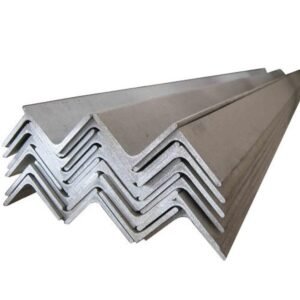
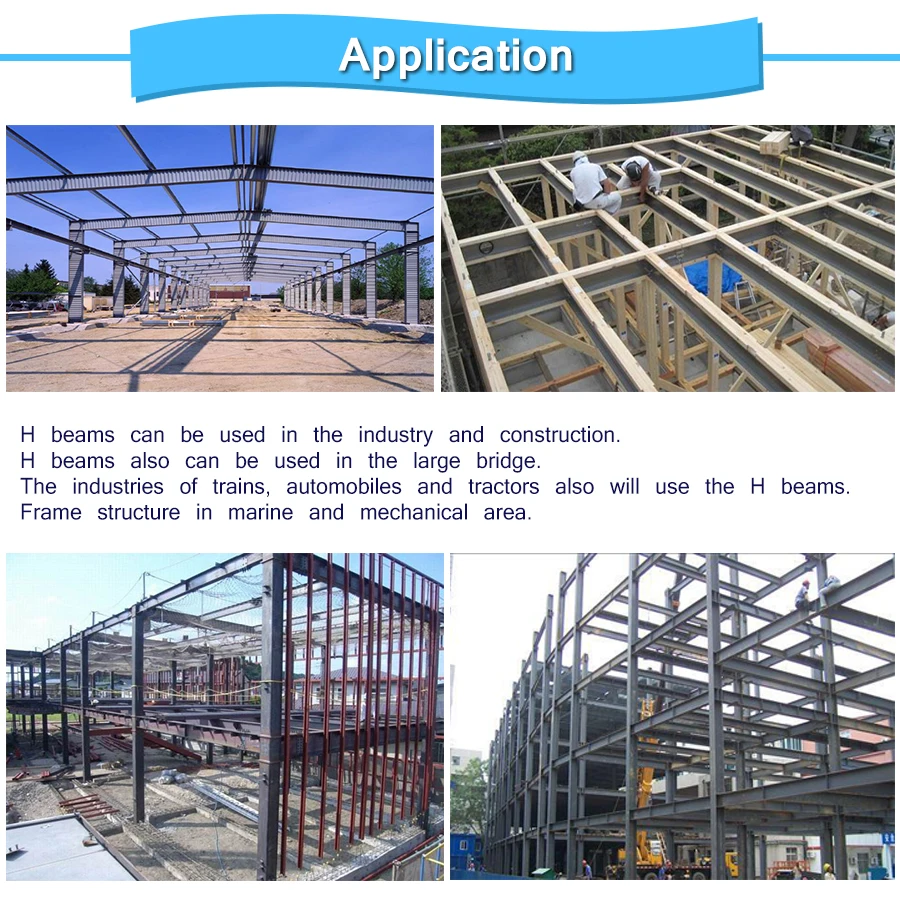
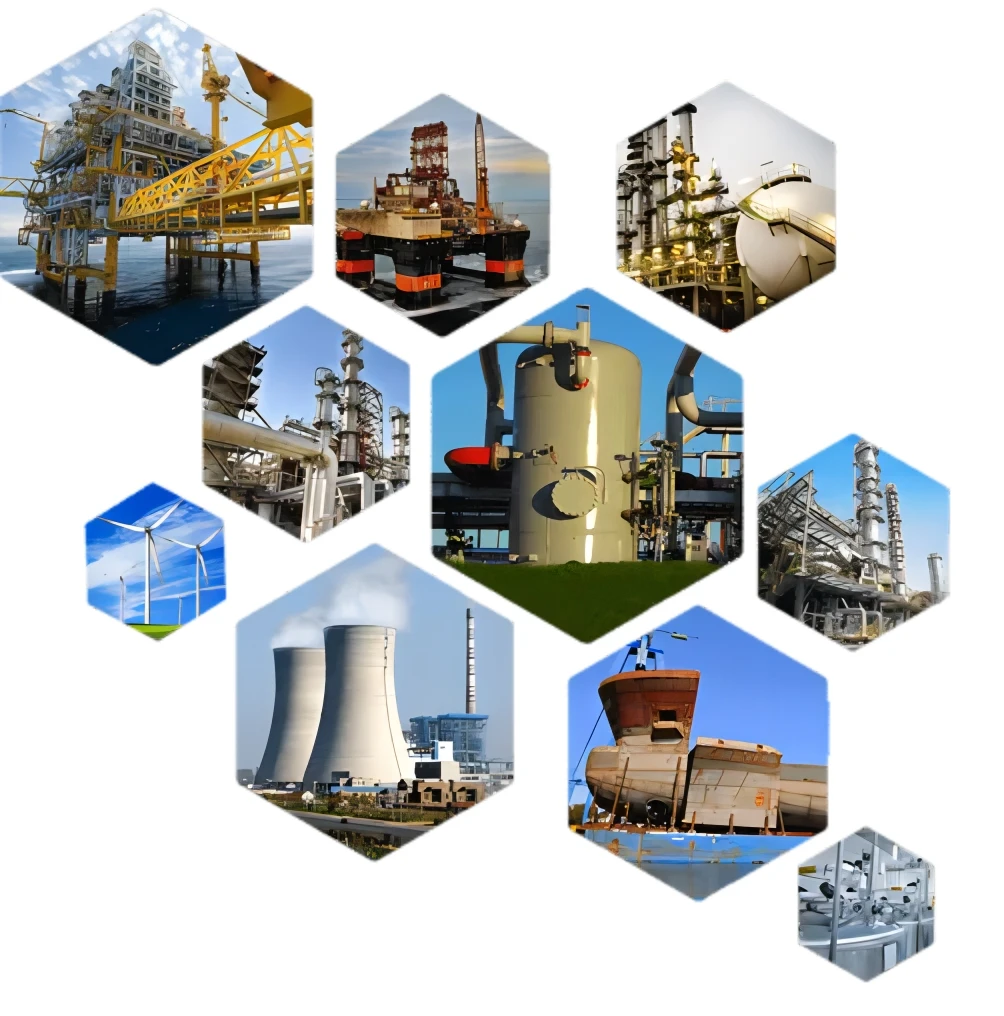
Angle steel,commonly known as angle iron ,is a carbon structural steel used in construction. It is a long strip of steel with two sides perpendicular to each other. It is a profile steel with simple section . Angle steel is divided into equal Angle steel and unequal Angle steel. The raw billet for the production of steel angles is low carbon square billet, and the finished Angle steel is devided into hot rolled, normalized or hot rolled state. Angle steel can make up different stress components according to the different needs of the structure, as the connection between components. Widely used in a variety of building structures and engineering structures, such as beams, Bridges, transmission towers, lifting and transportation machinery, ships, industrial furnaces, reaction towers, container racks and warehouses.
| Angle Iron |
| Place of Origin: |
Tianjin, China |
| Standard: |
AiSi, ASTM, bs, DIN, GB, JIS |
| Grade: |
Q195-Q420 Series |
| Technique: |
Hot Rolled |
| Tolerance: |
±3% |
| Processing Service: |
Bending, Welding, Punching, Decoiling, Cutting |
| Material: |
Q235/Q345/SS400/ST37-2/ST52/Q420/Q460/S235JR/S275JR |
| Length: |
Customized |
| Certificate: |
ISO9001 |
| Delivery time: |
7-21 days |
| Payment terms: |
T/T, L/C |
| Packing: |
Standard Sea-worthy Packing |
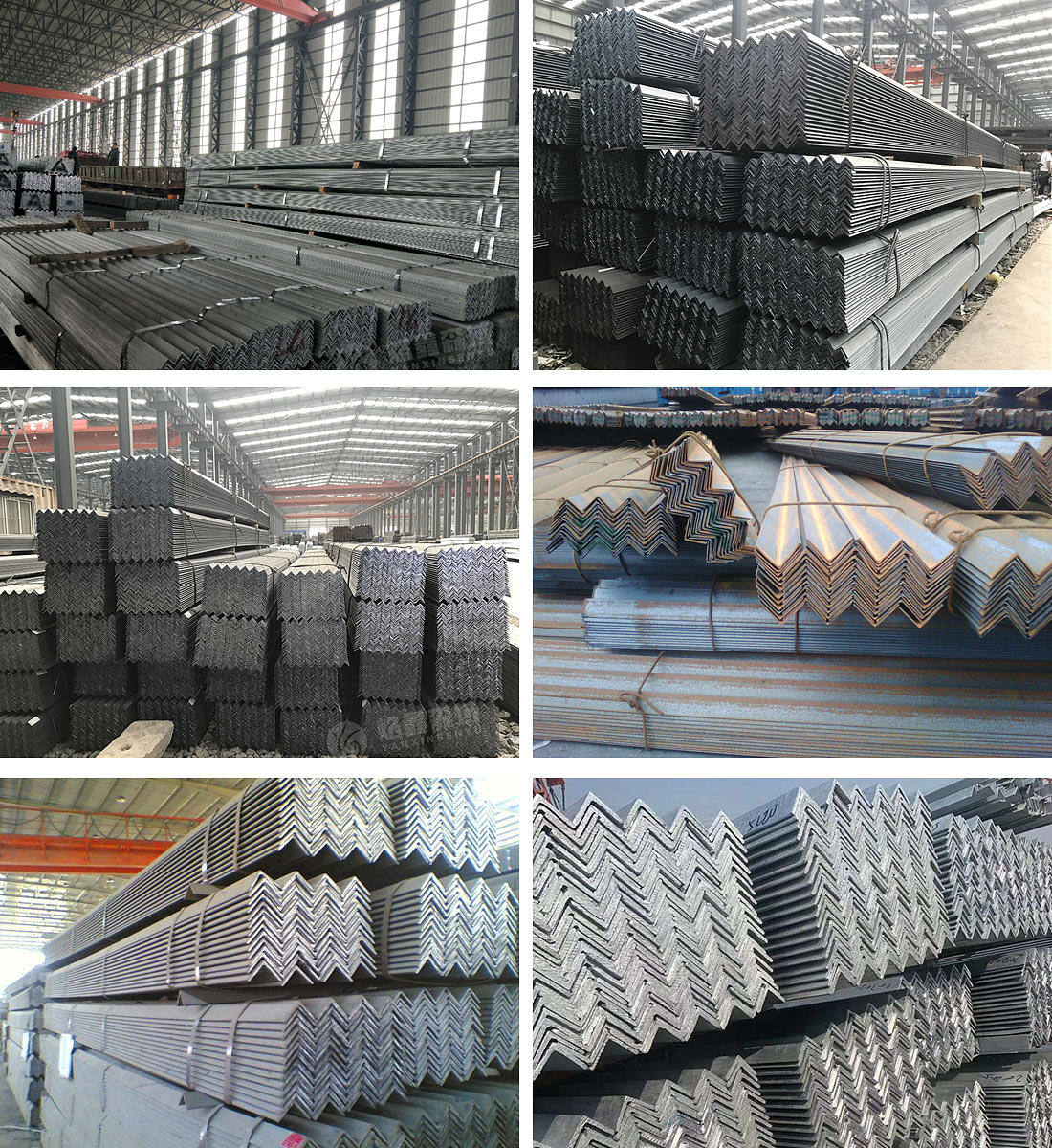
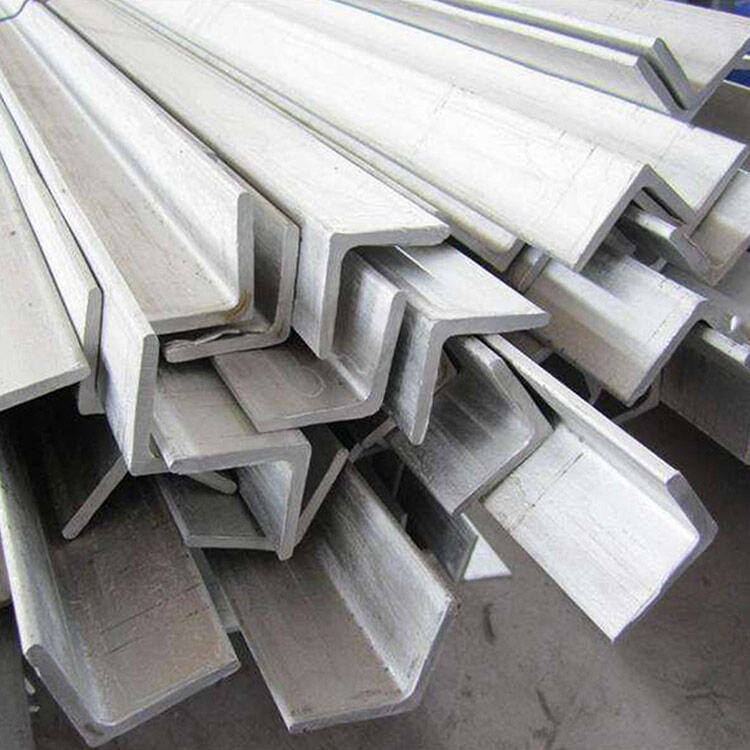


Angle steel,commonly known as angle iron ,is a carbon structural steel used in construction. It is a long strip of steel with two sides perpendicular to each other. It is a profile steel with simple section . Angle steel is divided into equal Angle steel and unequal Angle steel. The raw billet for the production of steel angles is low carbon square billet, and the finished Angle steel is devided into hot rolled, normalized or hot rolled state.
Equal Steel Angles
Equal Steel Angles are versatile structural components widely used in construction and industrial applications. Designed for strength and precision, they provide reliable support and stability for various frameworks and reinforcements.
Manufactured with high-grade steel, these angles are available in a range of sizes to suit different requirements. Their corrosion resistance and uniform dimensions make them an ideal choice for structural projects, including steel frames, bracing, and shelving systems. Equal Steel Angles meet international quality standards, ensuring durability and long-term performance.
Specifications
- Material: High-grade carbon steel
- Sizes: 25x25x3mm to 200x200x25mm
- Standards: ASTM A36, EN 10056
- Length: Up to 6 meters
- Corrosion-resistant finish
Applications
- Structural frameworks
- Bracing and reinforcement
- Shelving and storage systems
- Industrial fabrication and machinery
Equal Steel Angles offer the perfect balance of strength, precision, and versatility, making them an essential choice for your structural and industrial needs.

A36 Structural Steel Angles, an L – shaped structural steel profile compliant with the ASTM A36/A36M standard, are divided into equal – leg and unequal – leg types. They feature outstanding weldability, formability, and machinability, paired with cost – effectiveness and wide availability. With a minimum yield strength of 36,000 psi (250 MPa) and a tensile strength ranging from 58,000 – 80,000 psi (400 – 550 MPa), these angles are well – suited for various load – bearing and reinforcing scenarios across multiple industries.
This is the primary application field of A36 Structural Steel Angles, thanks to their reliable load – bearing capacity and easy installation.
- Building Framing: They are ubiquitous in light to medium – duty structural framing. Frequently used as diagonal and horizontal bracing members in building frames, they enhance stability against lateral forces like wind and seismic impacts. They also act as essential components in mezzanine floor systems, platform frames, and truss structures. Besides, they serve as edge trim and reinforcement for concrete slabs and stairs, and provide stable mounting surfaces for attaching curtain walls, roofing panels, and drywall.
- Bridge and Tower Construction: In bridge projects, these angles are utilized for temporary supports, railings, and bracing components to reinforce the overall structure. They are also necessary parts for constructing communication towers and power towers, playing a key role in maintaining the towers’ structural stability and ability to withstand harsh outdoor conditions.
- Pipeline and HVAC Supports: They are widely applied in fabricating brackets, pipe racks, and support frames for oil – gas pipelines, petrochemical pipelines, and HVAC ducting. Their sturdy structure ensures the safe and stable placement of pipelines and ductwork, preventing displacement or deformation due to gravity or external forces.
Their balanced strength and ease of fabrication make them a staple material in machinery manufacturing.
- Equipment Bases and Frames: They are commonly used to build the bases and frames of motors, pumps, conveyors, and other industrial equipment. They can also be welded as stiffening ribs onto other components to avoid buckling and enhance the overall rigidity of the equipment.
- Workshop Custom Fabrications: Due to their low cost and easy processing, they are the preferred choice for custom – made workshop tools such as jigs, fixtures, and workbenches. Additionally, they are used to construct safety cages around moving parts of machinery and protective guards to ensure operational safety.
A36 Structural Steel Angles are highly favored in the manufacturing of trailers and truck bodies.
- Their excellent weldability enables firm connections with other structural parts and panels of vehicles. Meanwhile, their good formability allows for bending and notching to create complex bracket shapes and frame joints, adapting to the diverse structural requirements of vehicle bodies.
- They are often used to fabricate the main support frames, cargo compartment brackets, and reinforcing structures of trailers, as their cost – effectiveness also helps control the overall production costs of vehicles.
Beyond industrial and large – scale construction uses, these angles are also present in daily life and commercial settings.
- They are used to build industrial shelves and warehouse storage racks, as their L – shaped structure can effectively bear the weight of goods.
- In commercial and industrial venues, they are employed to make door and window frames. Moreover, they can be processed into components of daily items such as classical coffee tables, adding to the sturdiness of these products.
- On construction sites and in public buildings, they are used to make simple stair stringers, railings, and ladders due to their easy cutting and assembly.