
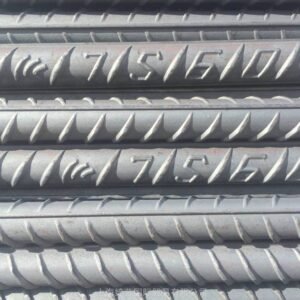
ASTM 201 / 304 / 316 Stainless Steel Rebar & Carbon Steel Rebar Concrete Reinforcement steel rebar
1. Product Overview
The item covers two core categories of concrete reinforcing bars (rebar):
- Austenitic Stainless Steel Rebar (Grade 201, 304, 316, ASTM A1022/A1022M standard)
- Carbon Steel Rebar (ASTM A615/A615M standard)
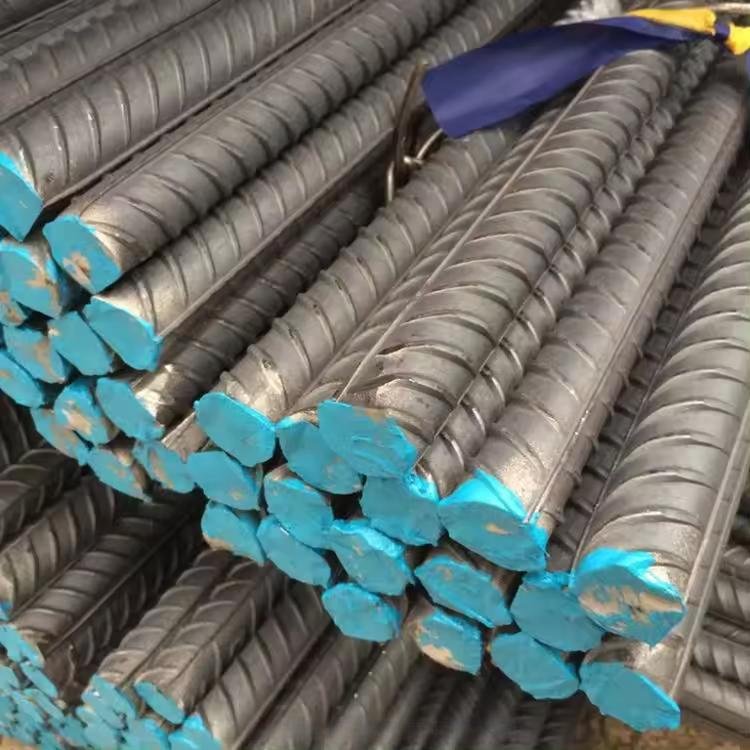
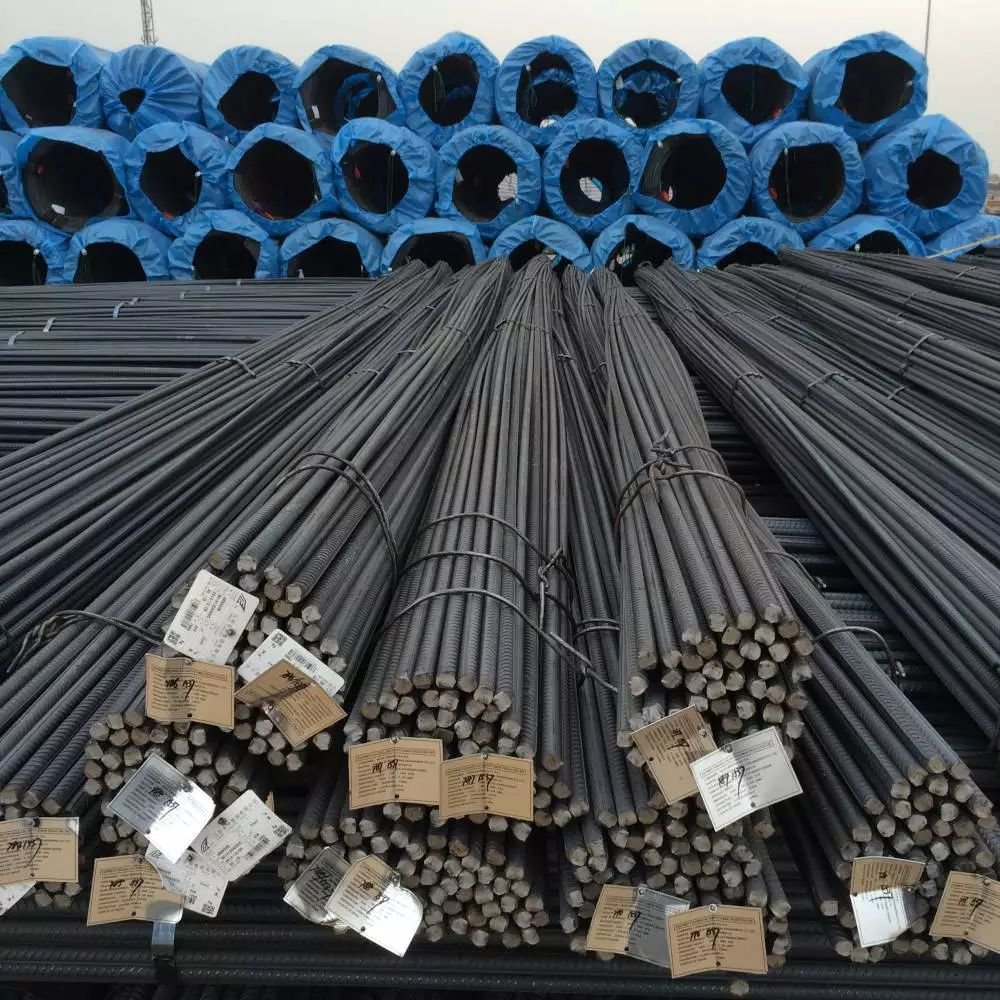
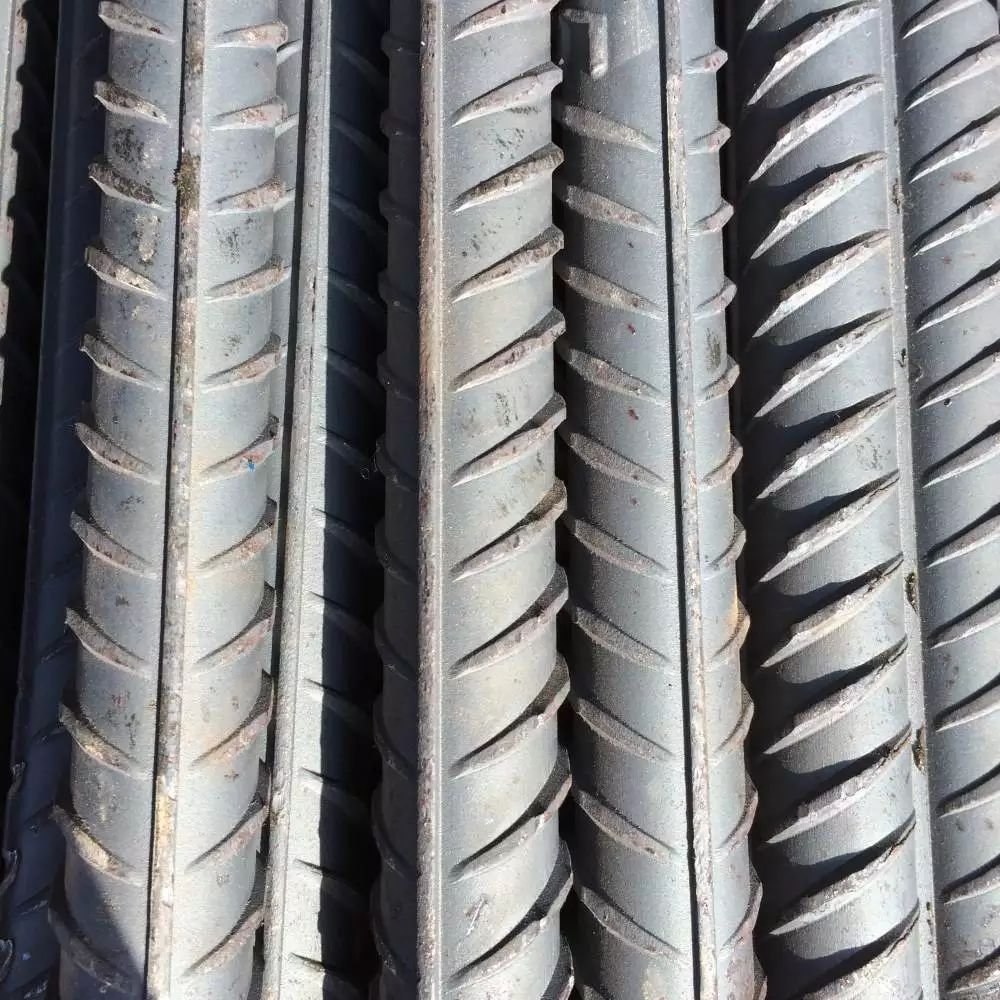
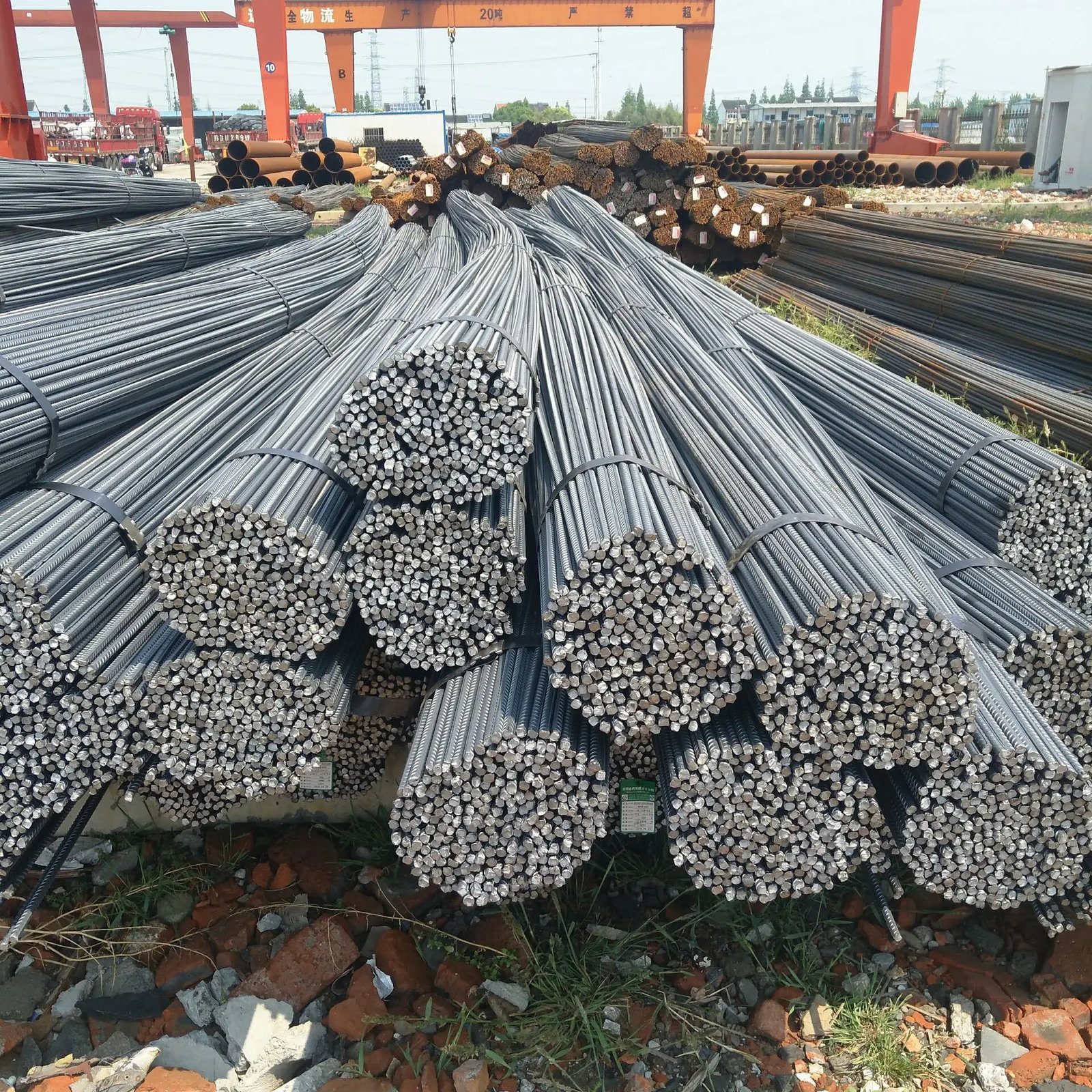
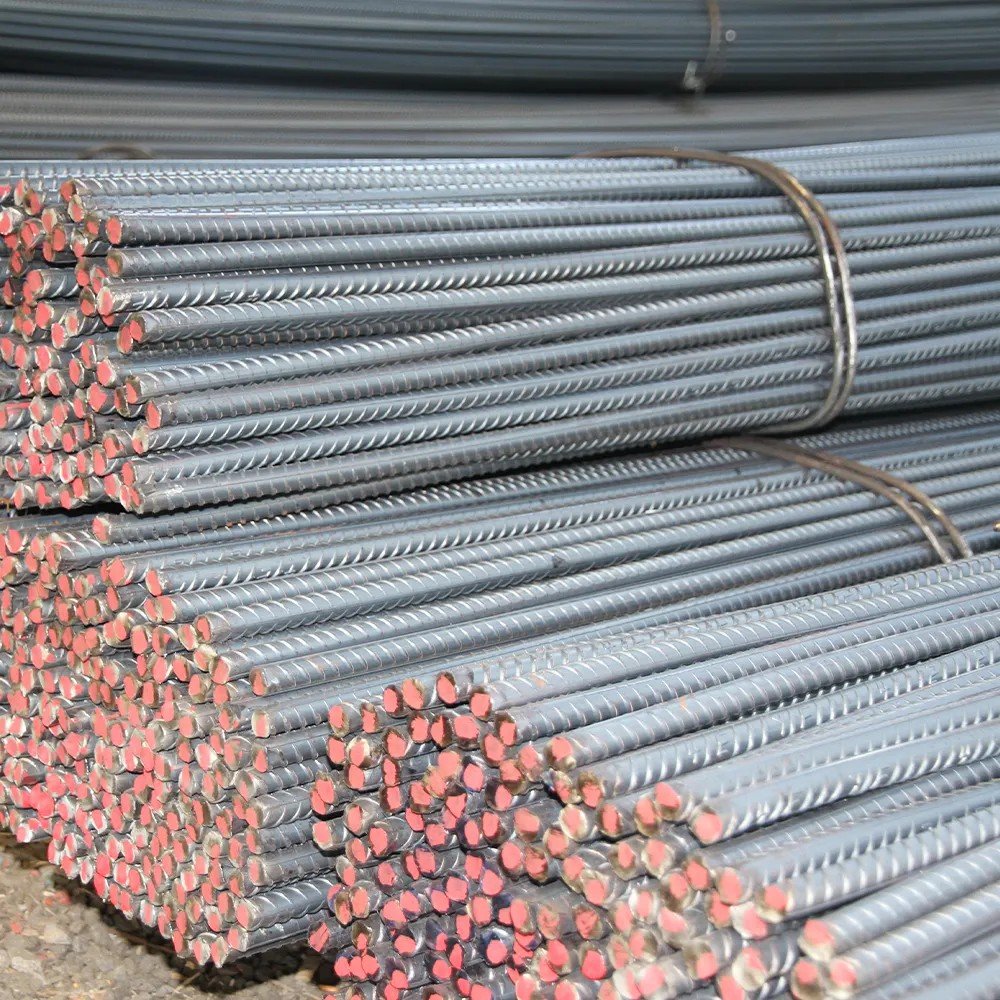
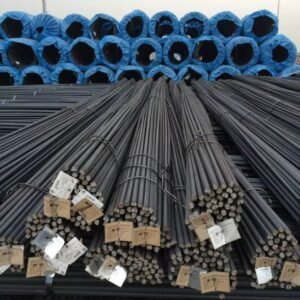
Available forms: straight cut bars & coil bars; diameter range 6mm–30mm; all lengths can be custom cut per client’s construction drawing requirements. Rebars are mostly deformed ribbed bars for mechanical bonding with concrete; plain round bars are optional upon request.
2. Steel Grades, Chemical Composition & Core Mechanical Properties
Part A: Stainless Steel Rebar Grades (201, 304, 316)
All are austenitic stainless steel, non-magnetic after annealing, excellent weldability and ductility.
Grade 201 Stainless Steel (UNS S20100)
- Chemical composition: Cr 16–18%, Mn 5.5–7.5%, Ni 3.5–5.5%, N ≤0.25%, C ≤0.15%
- Mechanical performance
- Yield strength: ≥275 MPa
- Tensile strength: ≥655 MPa
- Elongation: ≥40%
- Core features: Low nickel, cost-effective; moderate atmospheric corrosion resistance; weaker anti-chloride performance vs 304/316; high work hardening rate.
- Limitation: Not suitable for coastal, salt-spray or chemical corrosive environments.
Grade 304 Stainless Steel (UNS S30400, 18-8 standard stainless)
- Chemical composition: Cr 18%, Ni 8%, C ≤0.08%, no molybdenum
- Mechanical performance
- Yield strength: ≥290 MPa
- Tensile strength: ≥620 MPa
- Elongation: ≥40%
- Core features: Balanced corrosion resistance & cost; resists urban rainwater, mild acid, indoor humidity; widely universal stainless rebar grade.
- Limitation: Poor resistance to high-concentration chloride (seawater, road de-icing salt).
Grade 316 Stainless Steel (UNS S31600)
- Chemical composition: Cr 16–18%, Ni 10–14%, Mo 2–3%, C ≤0.08%
- Mechanical performance
- Yield strength: ≥290 MPa
- Tensile strength: ≥620 MPa
- Elongation: ≥40%
- Core features: Molybdenum alloy added; superior anti-pitting & anti-chloride corrosion; outstanding durability in marine, salt, chemical wastewater environments; best long-life stainless rebar grade.
Part B: Carbon Steel Rebar Grades (ASTM A615 mainstream grades)
No chromium/nickel alloy; low production cost, basic tensile reinforcement function, poor natural anti-rust performance.
- Grade 40 (280): Min yield strength 280 MPa, low-rise residential, minor secondary reinforcement
- Grade 60 (420): Min yield strength 420 MPa, global most common grade for general buildings, bridges, roads
- Grade 80 (550): Min yield strength 550 MPa, high-rise heavy load structural members
- Grade 100 (690): Min yield strength 690 MPa, ultra-high-strength industrial & large infrastructure
- General mechanical features: Good bendability & weldability; surface rusts quickly under moisture, chloride or chemical exposure; requires periodic maintenance or anti-corrosion coating (epoxy, galvanizing).
3. Full Technical Specifications
3.1 Diameter Range
Standard available diameter: 6mm, 8mm, 10mm, 12mm, 14mm, 16mm, 18mm, 20mm, 22mm, 25mm, 28mm, 30mm
3.2 Product Forms
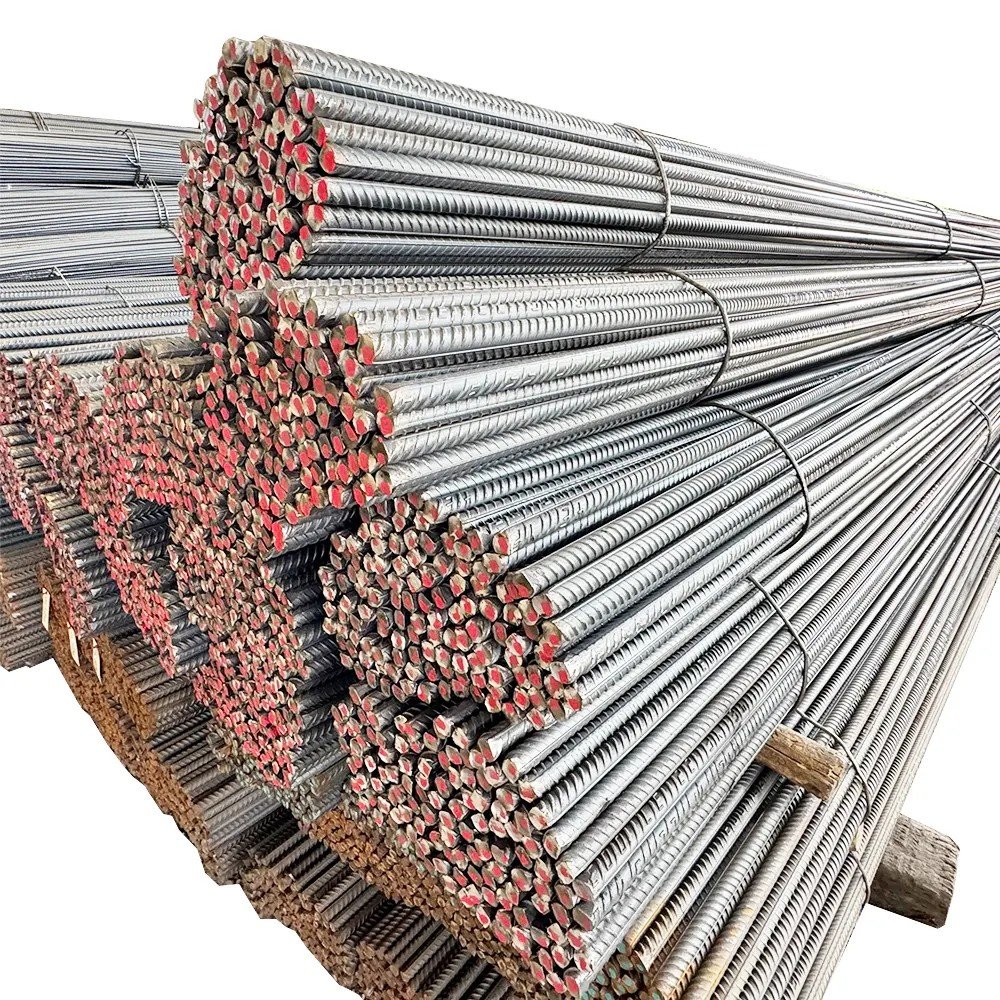
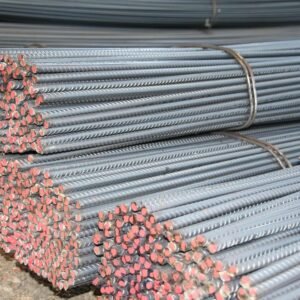
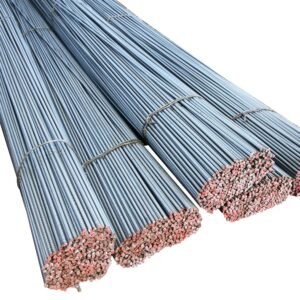
- Straight Bar: Fixed custom cut length (1m–12m standard; any special length customizable); bundled by steel wire, standard 6m/9m/12m factory default length
- Coil Bar: Hot rolled coil, weight per coil 1–3 tons; convenient for automatic straightening & bending on construction sites, reduces material waste
3.3 Surface Type
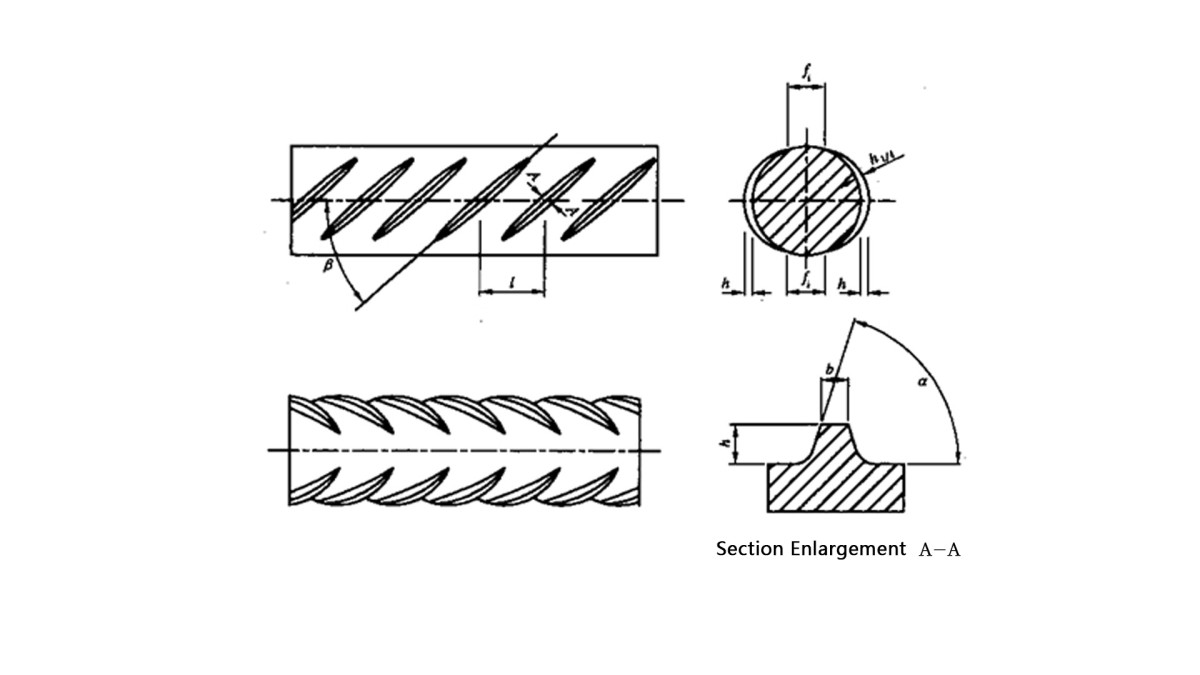
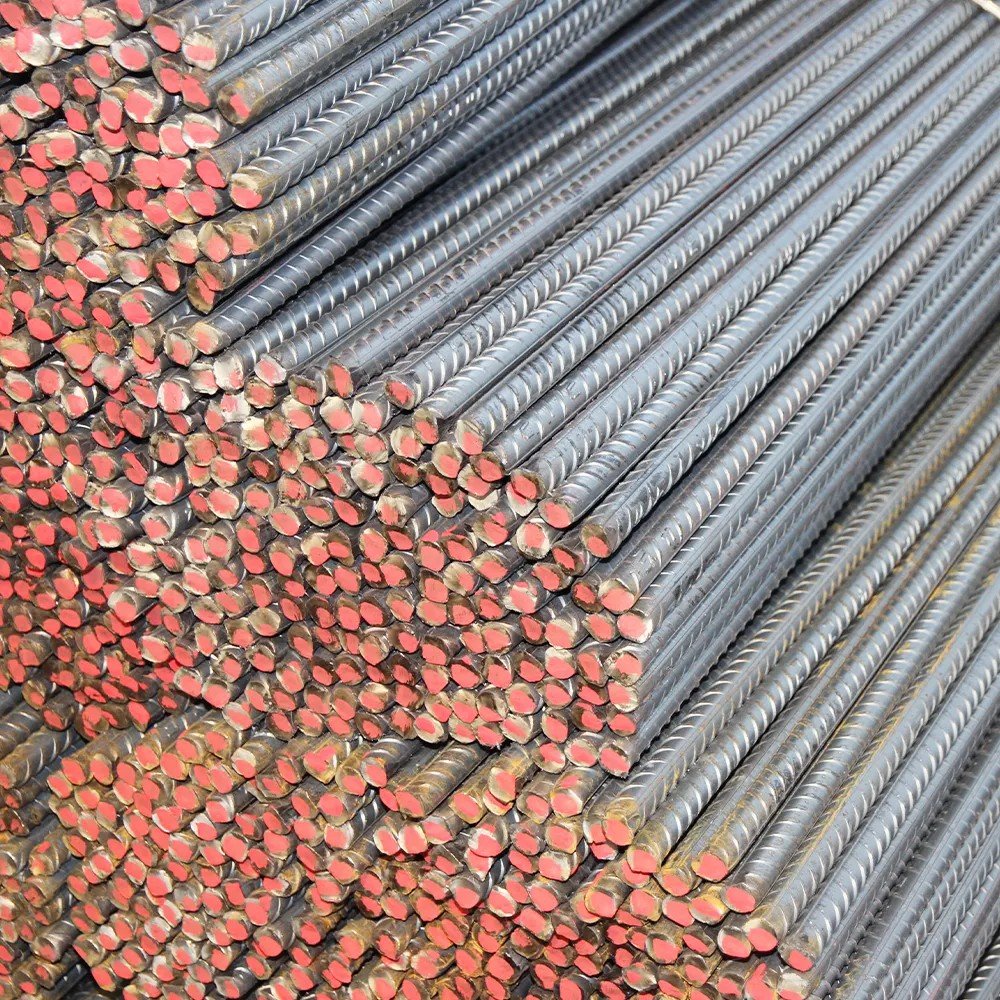
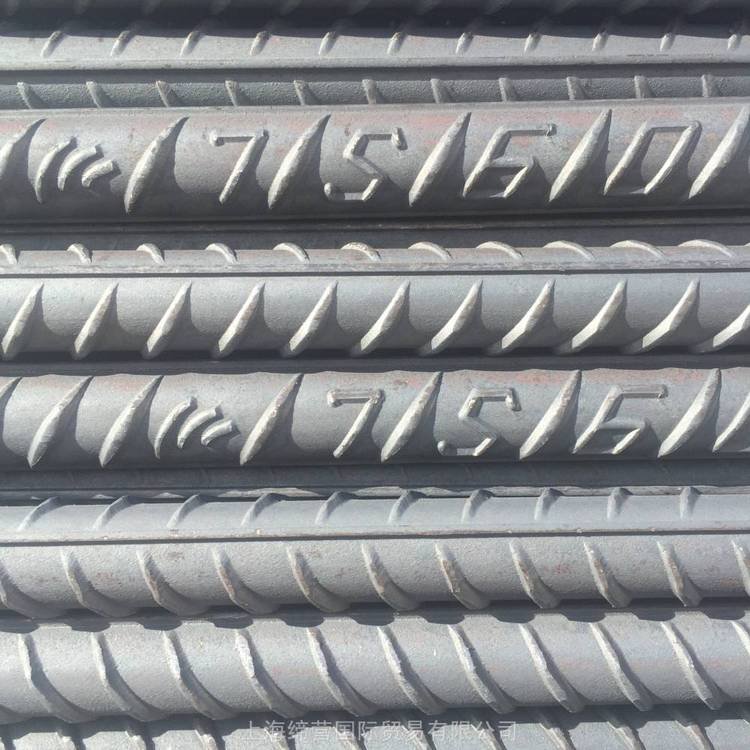
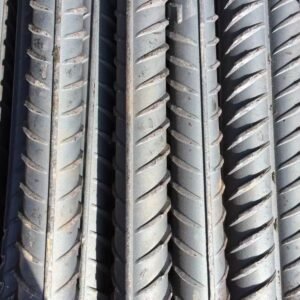
- Deformed ribbed rebar (standard): Crescent/spiral transverse ribs, maximizes friction bonding with concrete to prevent structural slip
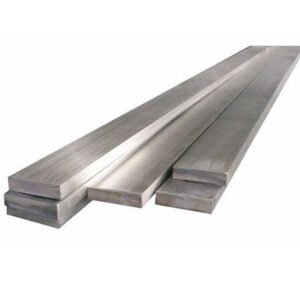
- Plain round bar (optional): Smooth surface for light secondary reinforcement
3.4 Production Standards
- Stainless rebar: ASTM A1022/A1022M, ASTM A276
- Carbon steel rebar: ASTM A615/A615M
3.5 Tolerance & Custom Service
- Length tolerance: ±5mm for custom cut straight bars
- Diameter dimensional tolerance complies with ASTM standard; surface finish: black hot rolled pickled finish for stainless rebar, black oxide mill scale for carbon rebar
- Custom service: Cut-to-length, bending, threading, epoxy coating, galvanizing per client drawings
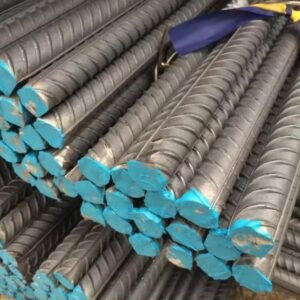
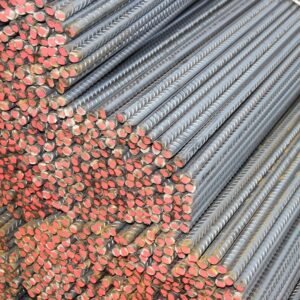
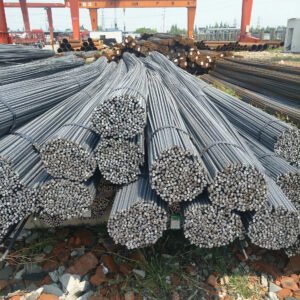
4. Key Performance Comparison (Stainless VS Carbon Steel Rebar)
- Corrosion Resistance
- Stainless (201/304/316): Self-forming passive chromium oxide film, permanent anti-rust without coating; 316 > 304 > 201 in chloride resistance
- Carbon steel: No natural anti-corrosion layer; rust expansion cracks concrete, shortens structural service life drastically in corrosive zones
- Service Life
- Stainless rebar: 80–120 years maintenance-free for marine/infrastructure
- Carbon steel: 20–40 years under normal urban environment; <10 years in coastal salt areas without coating
- Weldability
- Stainless: Requires dedicated stainless welding rods; sensitive to overheating
- Carbon steel: Easy welding with ordinary carbon electrodes, simple on-site construction
- Cost
- Stainless rebar: High raw material cost (nickel & chromium alloy)
- Carbon steel: Low cost, dominant for ordinary non-corrosive construction projects
- Magnetic Property
- Stainless 201/304/316: Non-magnetic annealed state
- Carbon steel: Ferromagnetic
5. Applications & Usage Scenarios
5.1 Stainless Steel Rebar (201 / 304 / 316)
Grade 201 Stainless Rebar Usage
- Mild indoor non-corrosive concrete structures: residential balcony slabs, indoor small foundation, decorative concrete components
- Dry inland low-humidity construction projects with limited budget for anti-rust reinforcement
Grade 304 Stainless Rebar Usage
- Urban inland infrastructure: municipal road barriers, underground subway inner walls, indoor industrial factory foundations, freshwater reservoir concrete
- Structures requiring long service life without frequent maintenance, no direct seawater/salt exposure
Grade 316 Stainless Rebar Usage (Premium Anti-Corrosion)
- Marine engineering: sea walls, piers, jetties, coastal bridge decks, offshore platform concrete supports
- Salt-rich environments: cold-region highway decks exposed to de-icing salt, seaside parking garages
- Chemical & wastewater industry: sewage treatment plant tanks, chemical factory foundation, acid & alkali workshop concrete structures
- High-end long-lifespan landmark projects: cross-sea bridges, coastal landmark buildings, nuclear power auxiliary concrete components
5.2 Carbon Steel Rebar (Grade40/60/80/100)
- Main structural reinforcement for all ordinary non-corrosive construction
- Civil residential buildings: columns, beams, floor slabs, foundation raft, staircases
- Transportation infrastructure: inland highways, tunnels, inland bridges, airport runways
- General industrial plants: factory columns, crane beam foundations, warehouse ground slabs
- Precast concrete components: precast wall panels, precast piles, concrete pipe culverts
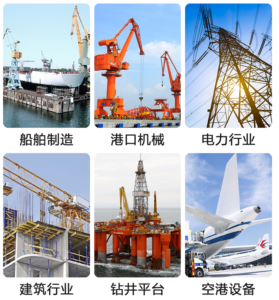
6. Applicable Industries
- Construction & Civil Engineering (core industry): residential real estate, commercial high-rises, municipal public works
- Transportation Infrastructure: highway, bridge, tunnel, port, airport, railway engineering
- Marine & Offshore Engineering: coastal port, cross-sea passage, offshore wind power base
- Water Conservancy: reservoir, dam, sewage treatment plant, water supply pipeline engineering
- Chemical & Energy Industry: chemical plant foundation, power station, nuclear auxiliary facilities
- Precast Concrete Manufacturing: precast component factories, modular construction industry
7. Applicable Countries & Global Market Coverage
Regions with High Demand for Stainless Steel Rebar
- North America: United States, Canada – widely used for highway bridge decks, coastal infrastructure to solve de-icing salt corrosion
- Europe: UK, France, Spain, Norway – long-lifespan public infrastructure, coastal municipal projects
- Southeast Asia & South Asia: Singapore, Malaysia, Bangladesh, UAE, Saudi Arabia – high humidity & marine climate; 316 stainless rebar is mainstream for port construction
- East Asia: China, Japan, South Korea – cross-sea bridges, coastal urban landmark buildings
- Africa: Djibouti, Morocco, Egypt – coastal port & tourism landmark concrete reinforcement
Global Main Market for Carbon Steel Rebar
All developing & developed countries with large-scale construction demand:
- South Asia: Bangladesh, India, Pakistan (massive residential & road construction demand)
- Southeast Asia: Vietnam, Indonesia, Thailand
- Middle East: Iraq, Oman, Qatar (inland residential & factory projects)
- Africa: Ethiopia, Kenya, Tanzania
- Americas: Mexico, Brazil, USA inland ordinary construction
- Europe & Central Asia: Russia, Ukraine, Eastern Europe inland infrastructure
|
||||||||||||||||||||||||||||||||||||||||||||
Standard lengths: 6.0 m to 12.0 m; custom cuts are available upon request.
|
||||||||||||||||||||||||||||||||||||||||||||
| Standard lengths: 6.0 m to 12.0 m; custom cuts are available upon request.
Stainless Steel Rebar 6mm-50mm Diameter Custom Cut Length Straight Bar Coil Bar |
||||||||||||||||||||||||||||||||||||||||||||
| 8. Application Scope Summary Stainless steel rebar (201/304/316): Specialized anti-corrosion reinforcement for structures exposed to humidity, saltwater, chloride, mild chemical erosion; for projects requiring ultra-long maintenance-free service life. 316 is the primary choice for all marine & heavy corrosive environments; 304 for general urban anti-rust needs; 201 for dry low-budget indoor projects. Carbon steel rebar: Universal basic concrete reinforcement for inland, dry, non-corrosive construction environments; the most cost-effective solution for common residential, inland road and factory projects. Straight bars suit fixed standard structural members; coil bars fit automatic on-site processing for complex bent reinforcement. All diameters 6–30mm support customized cut length to match any construction drawing dimensions. |
||||||||||||||||||||||||||||||||||||||||||||
|
|
||||||||||||||||||||||||||||||||||||||||||||